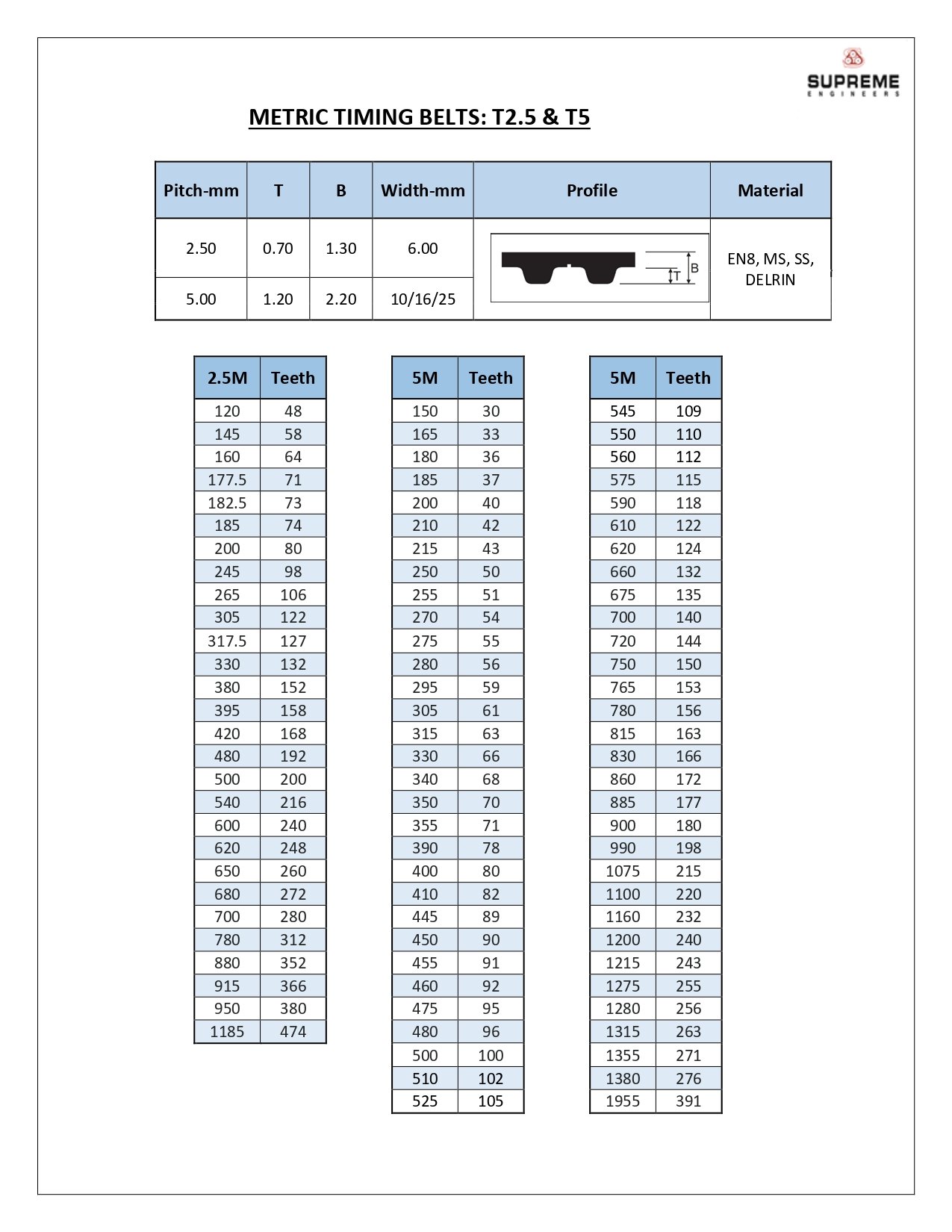
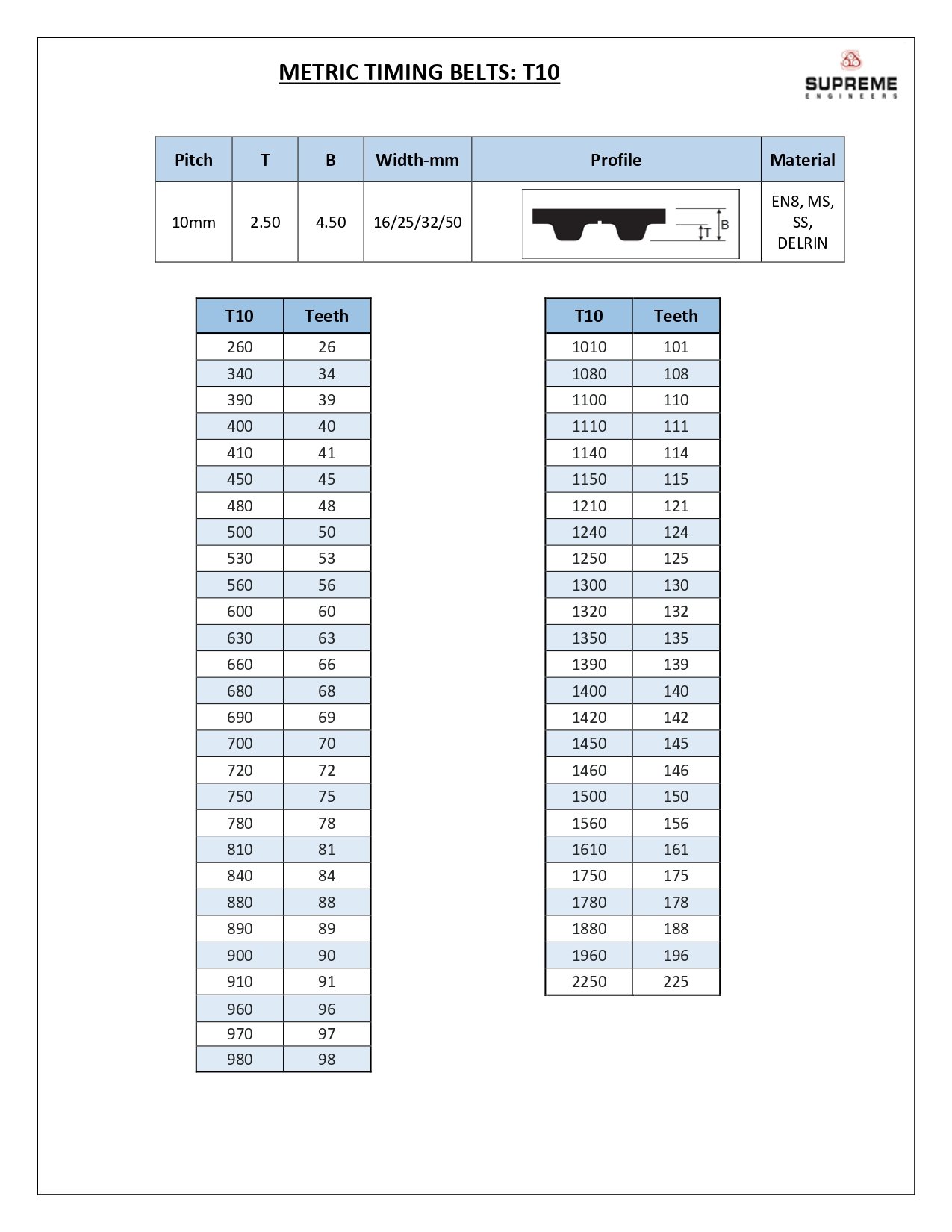
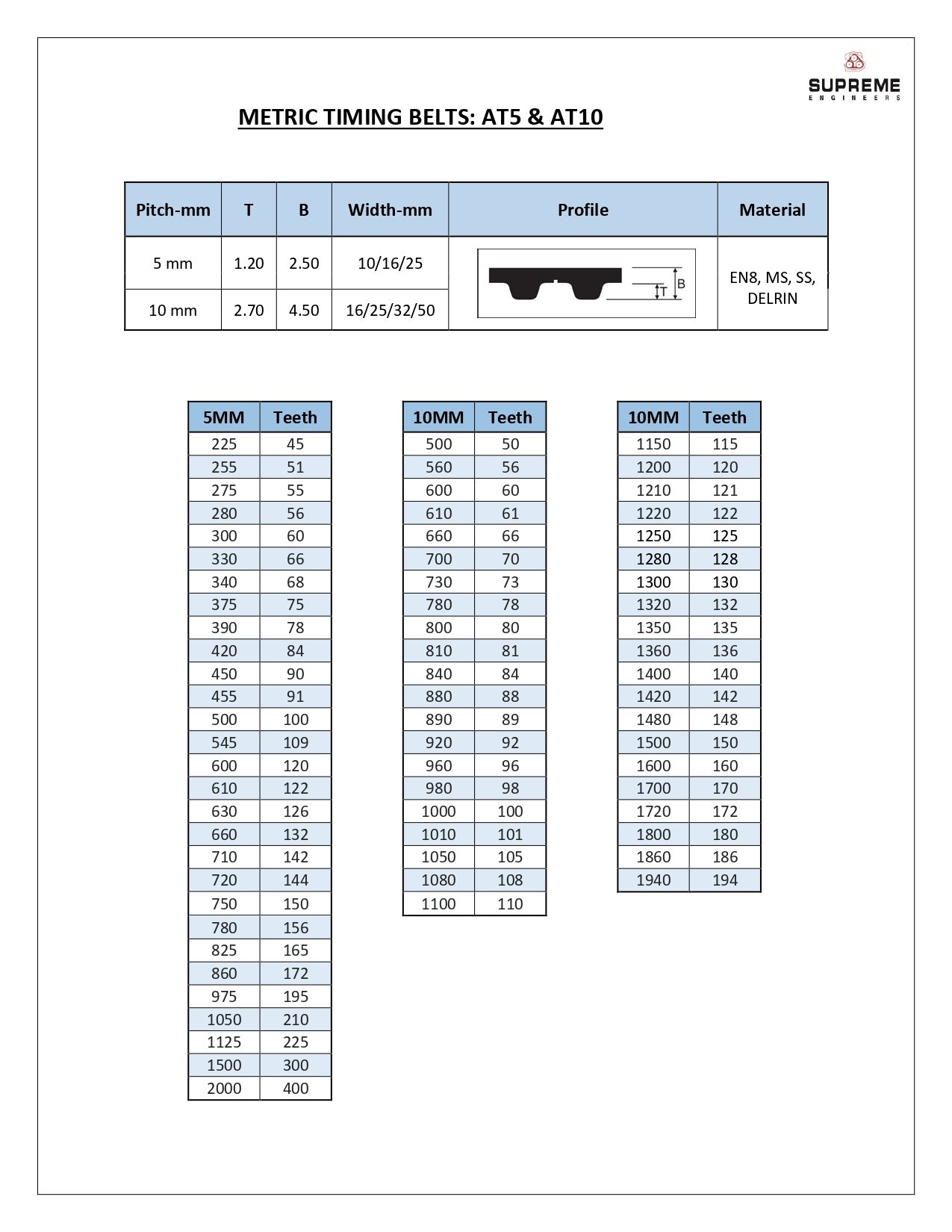
About
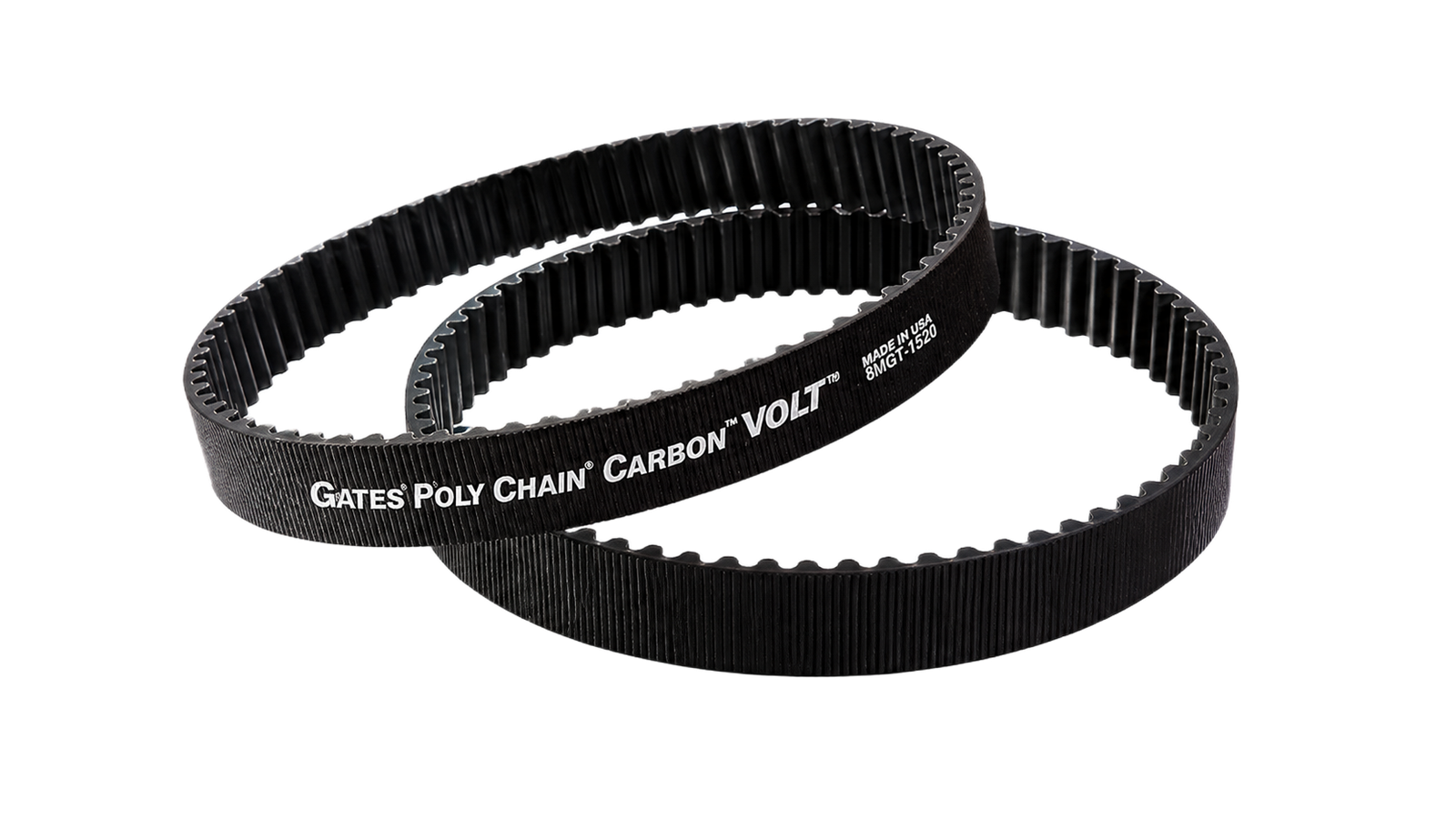
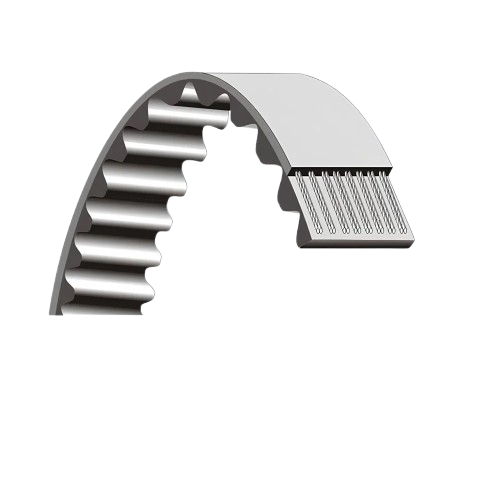
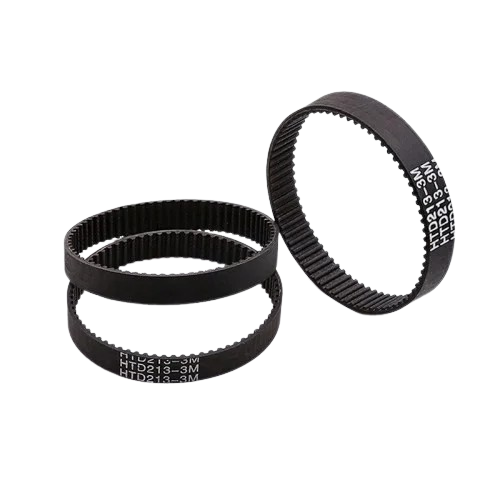
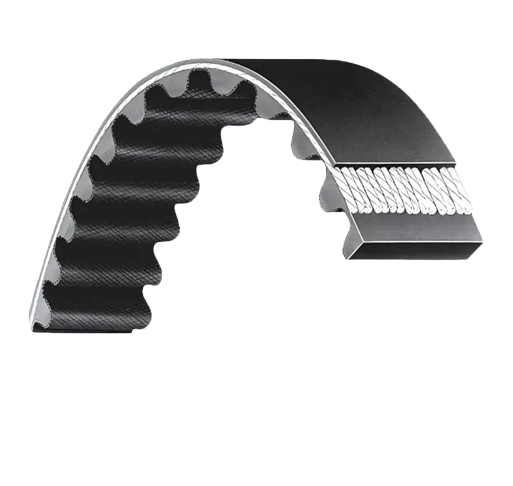
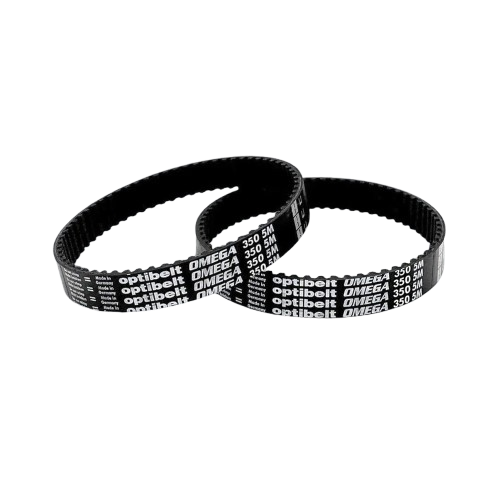
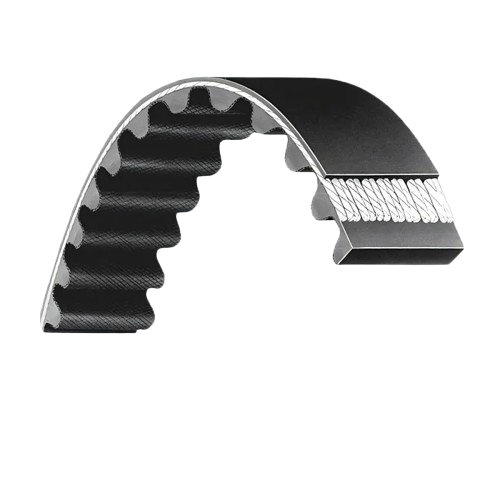
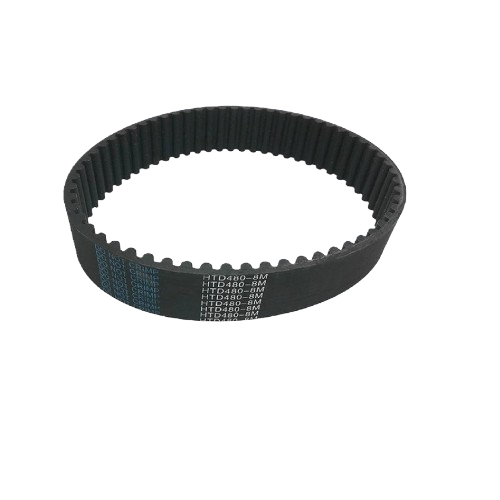
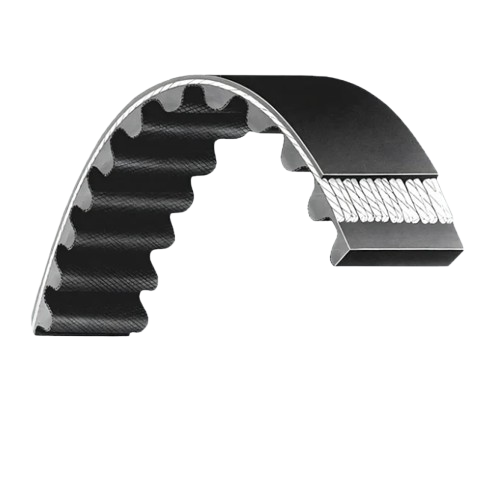
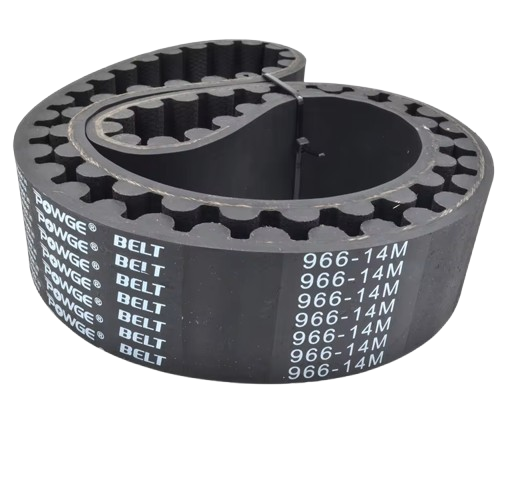
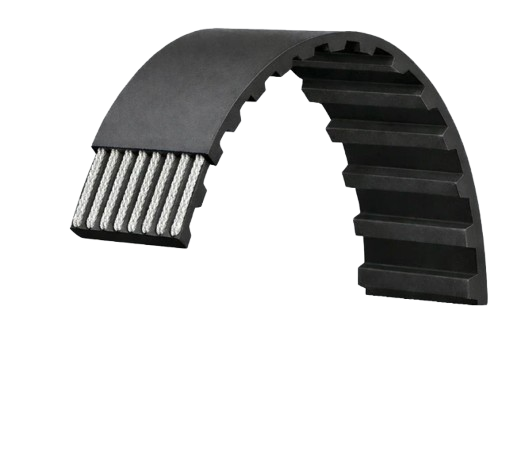
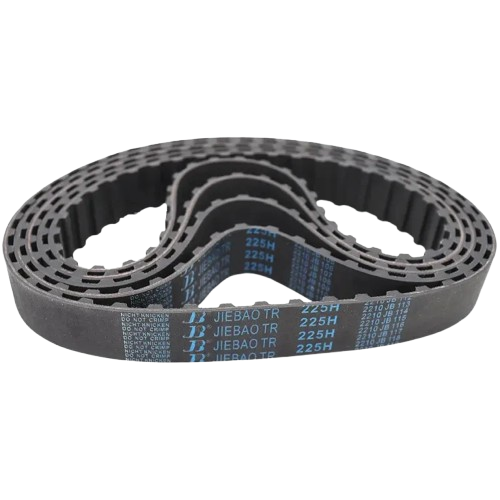
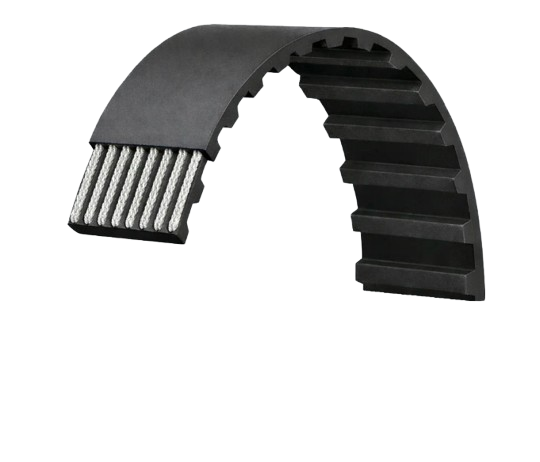
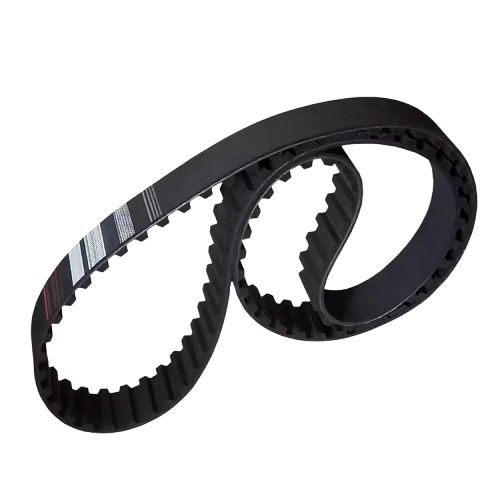
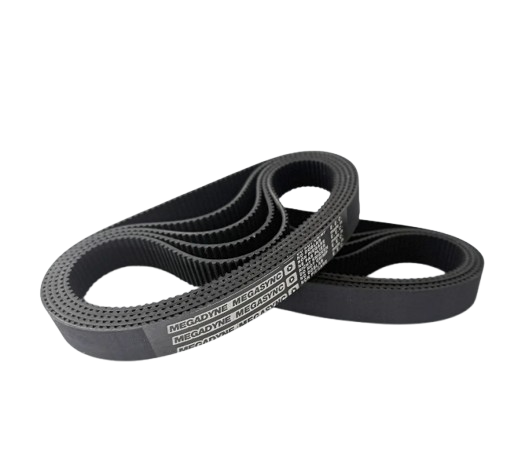
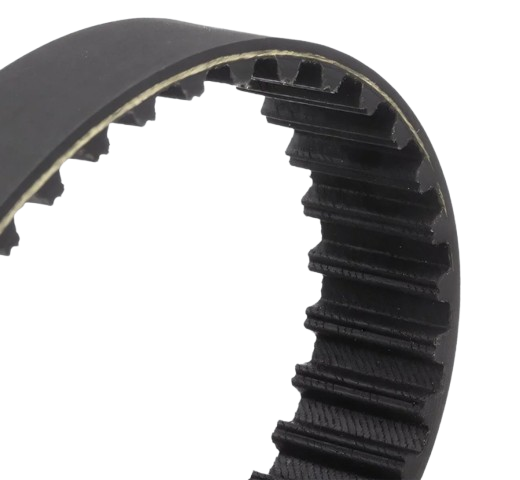
These are three of the most widely used metric and imperial synchronous
(timing) belt profiles in industrial power transmission. While they all
transmit power through positive tooth engagement rather than friction,
they feature different tooth geometries, performance limits, and pulley
compatibility.
Profile Comparison
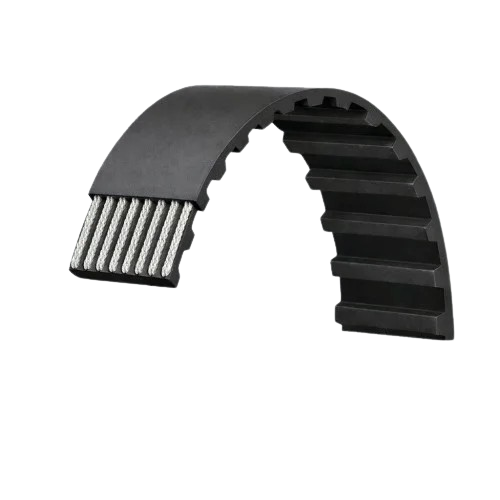
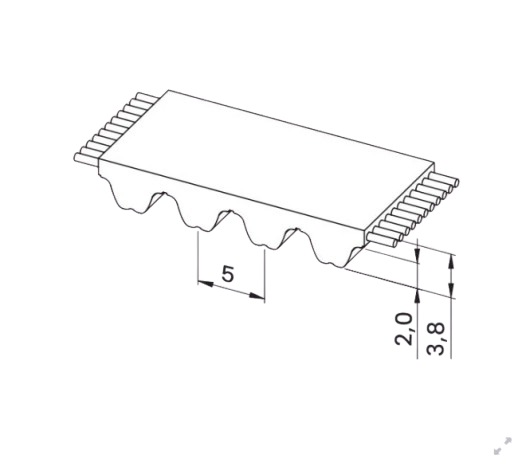
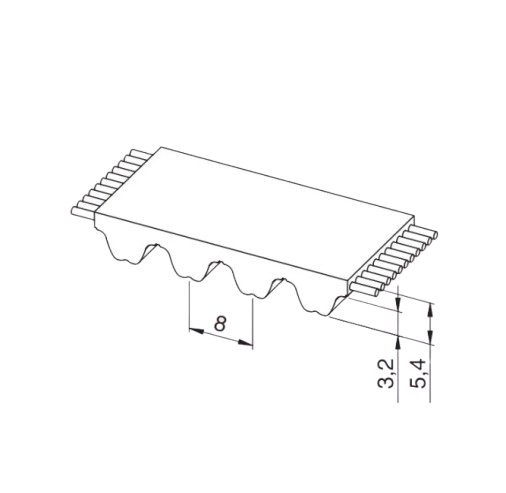
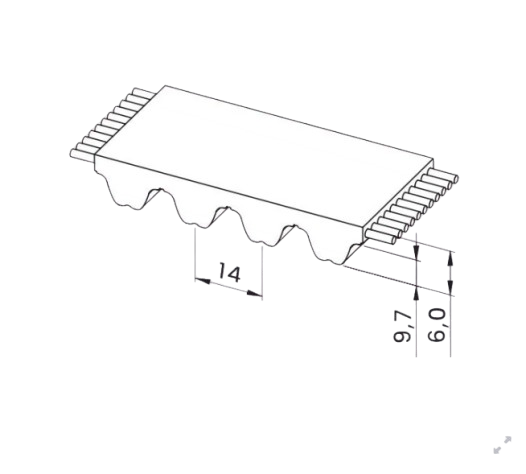
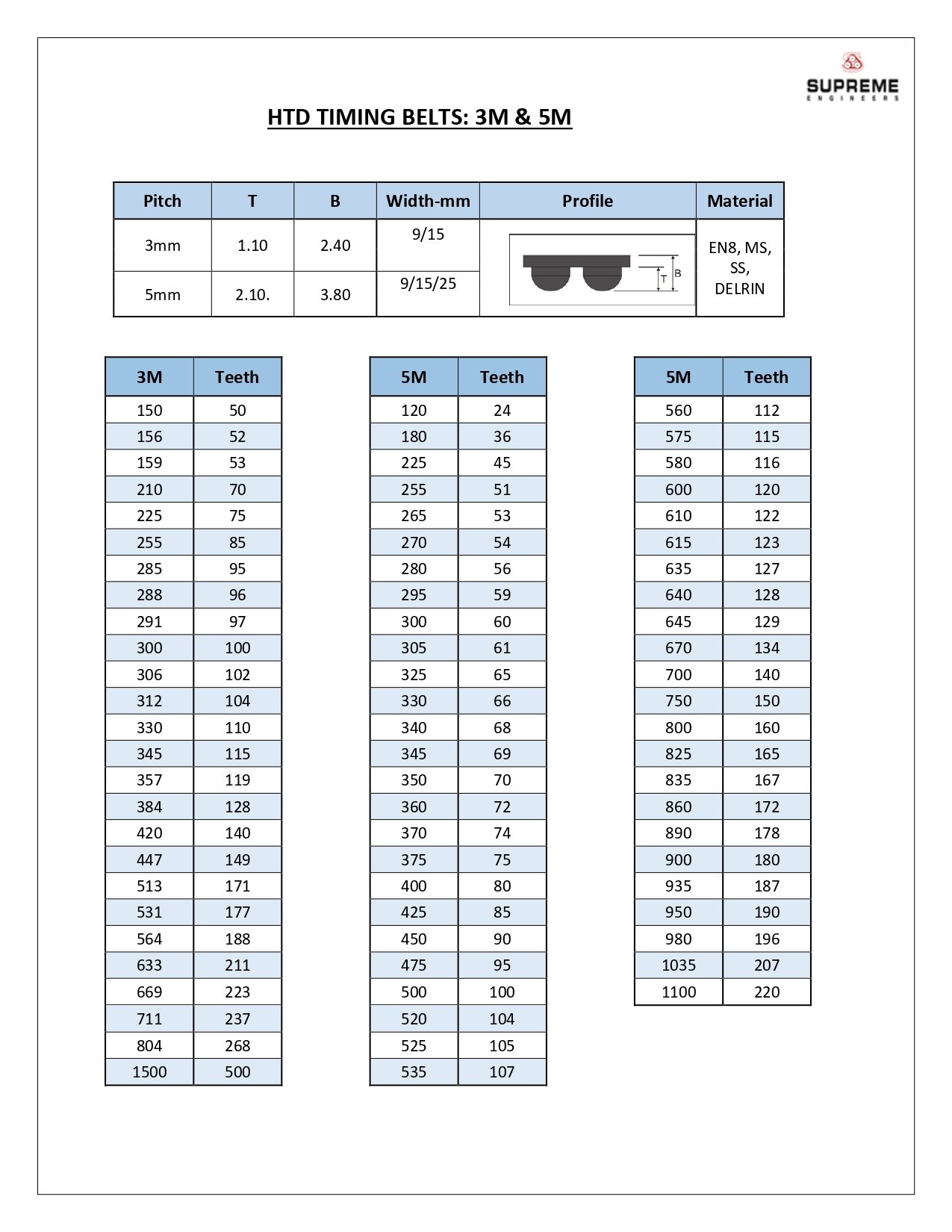
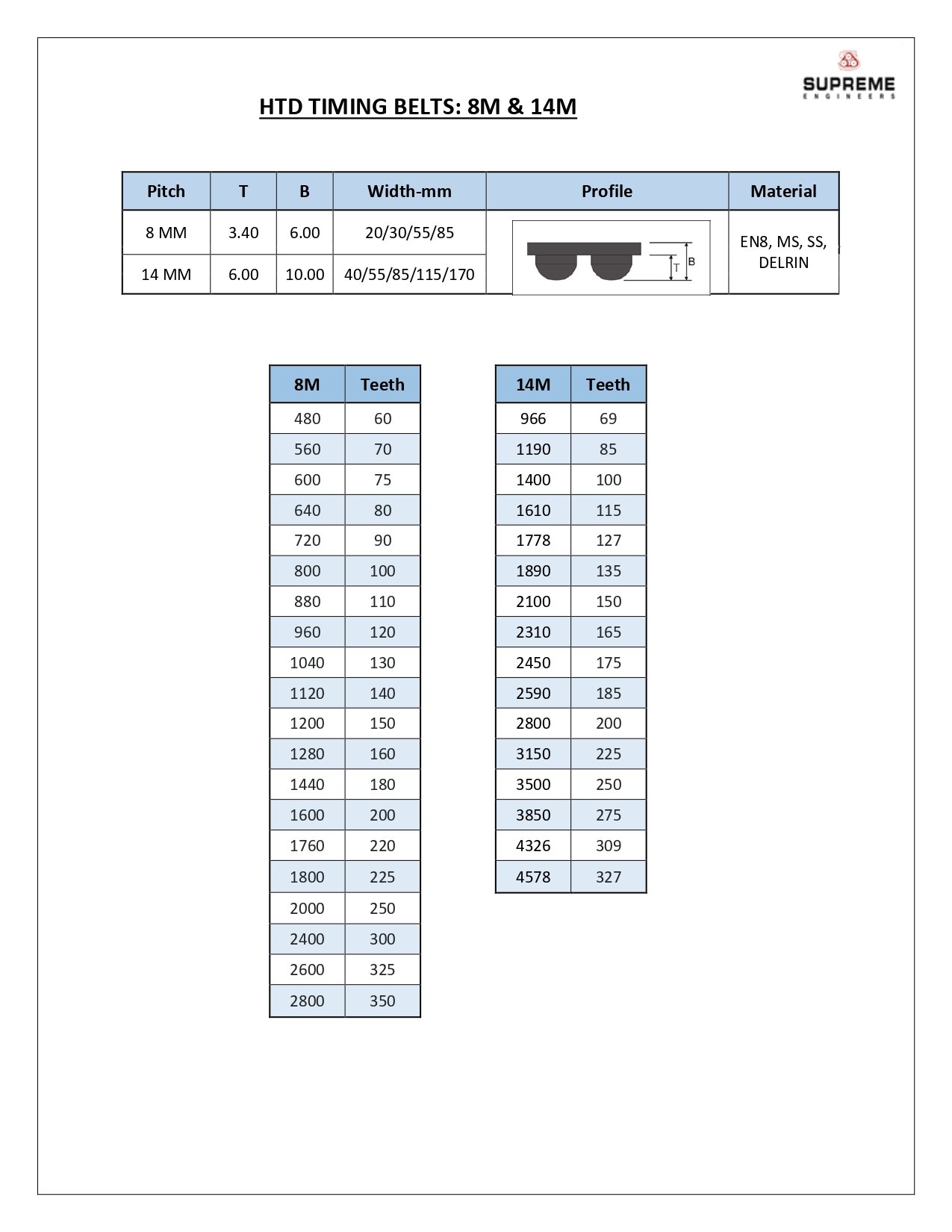
- HTD: Curvilinear (round) tooth profile designed for high torque transmission.
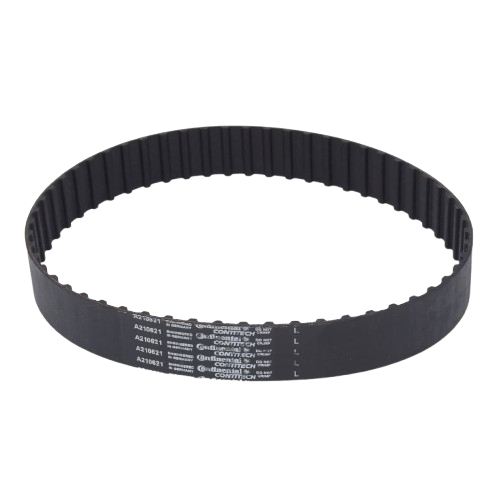
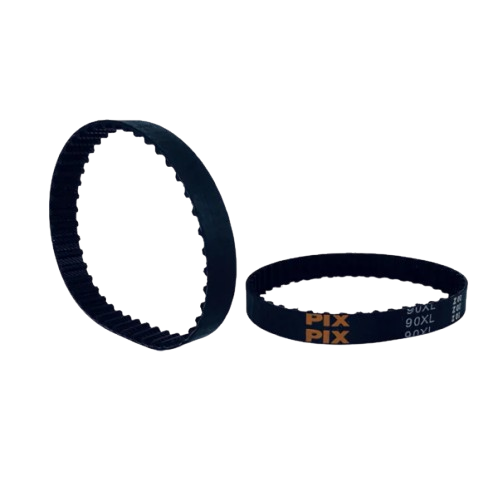
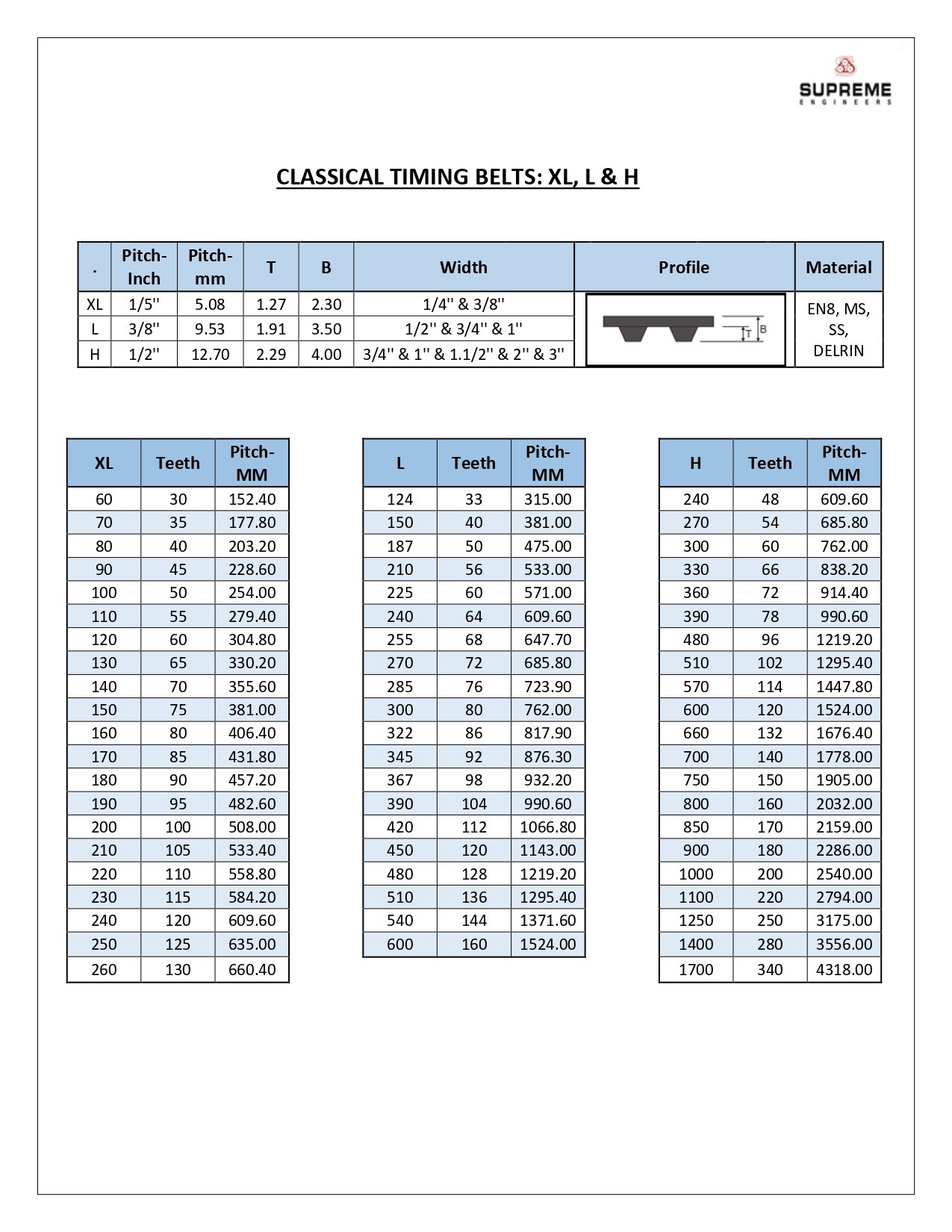
- Imperial: Traditional trapezoidal tooth profile commonly used in older systems.
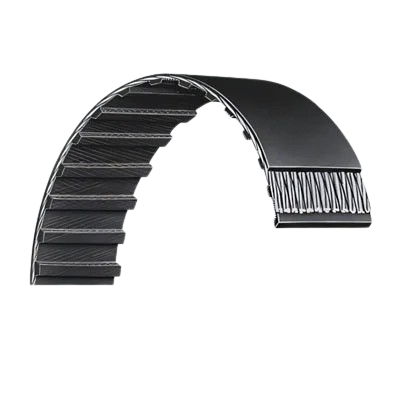
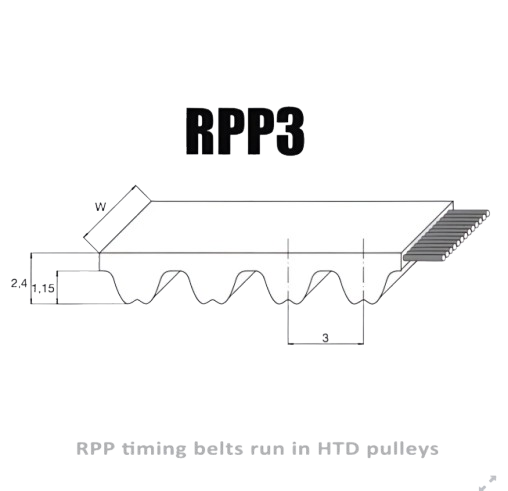
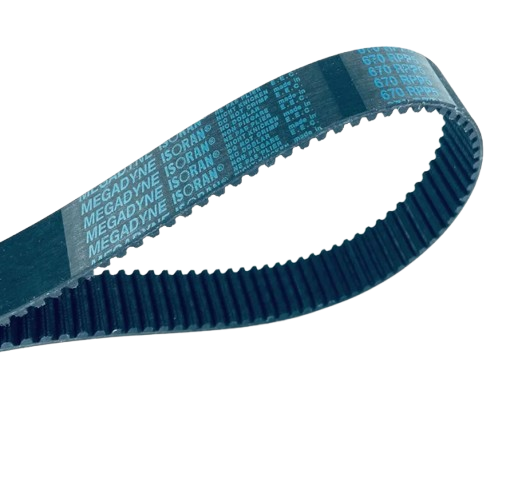
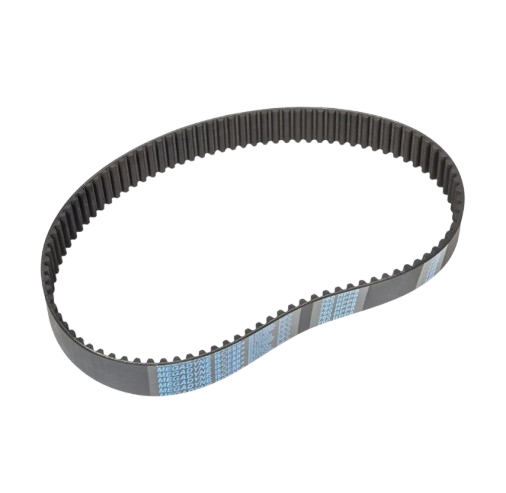
- RPP: Parabolic tooth profile with top notch for ultra-quiet and high-performance operation.
Key Features
- HTD: High torque capacity, medium noise level, compatible with HTD pulleys.
- Imperial: Low to medium torque capacity, suitable for standard industrial applications.
- RPP: Ultra-high torque capacity, lowest noise level, compatible with both HTD and RPP pulleys.
Applications
Timing belts are utilized in numerous industries due to their reliability
and efficiency.
Automotive: Essential for engine timing and smooth operation.
Robotics: Facilitates precise movement in robotic arms and automated systems.
Printing: Ensures synchronization in high-speed printing operations.
Packaging: Essential for accurate product placement and movement in packaging machines.
Advantages
1. Cost Efficiency & Low Maintenance
- Lower initial cost compared to gearboxes and chain drives.
- No lubrication required.
- Quick and easy belt replacement with minimal downtime.
2. Operational Protection & Smooth Running
- Absorbs shock loads and protects machinery.
- Provides overload safety in friction belt systems.
- Reduces vibration and operating noise.
3. Design Flexibility & Alignment Tolerance
- Suitable for large center distances.
- Supports multi-shaft configurations.
- Tolerates slight alignment errors.
4. High Mechanical Efficiency
- Timing belts can achieve up to 98% efficiency.
- Lightweight construction minimizes energy loss.
Frequently Asked Questions
1. Where are HTD timing belts used?
HTD (High Torque Drive) timing belts are designed for applications
requiring high torque transmission and zero slippage.
- Industrial & Manufacturing Machinery
- Robotics & Factory Automation
- Food Processing & Agricultural Equipment
- Consumer Electronics & Daily Appliances
2. What does RPP stand for, and what makes it unique?
RPP stands for Reinforced Parabolic Profile. Its
distinctive parabolic tooth shape with a top notch allows air release
during meshing, resulting in quieter operation and excellent resistance
to tooth shear under sudden loads.
3. What is the difference between HTD, STD, and RPP profiles?
HTD: Rounded curvilinear tooth profile for high torque applications.
STD: Flat-topped semi-circular profile optimized for quiet and precise motion.
RPP: Parabolic profile with top notch, combining high torque capacity with low-noise performance.
4. What is the difference between T20 and AT20 profiles?
Although both have a 20 mm pitch, they are not interchangeable.
T20: Standard metric profile with a 40° tooth angle,
intended for economical power transmission.
AT20: Advanced profile with a wider tooth base,
50° tooth angle, and thicker steel cords, providing higher load
capacity and reduced backlash.
5. Which timing belt profiles are most widely used in Indian factories?
- HTD (5M, 8M, 14M): Packaging, food processing, and conveyor systems.
- XL, L, H Imperial Profiles: Common in older textile and manufacturing plants.
- AT5, AT10, AT20: Widely used in CNC machines, robotics, and automation systems.