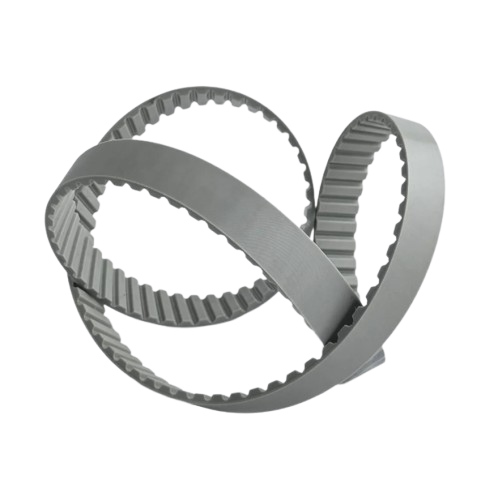
About
Our PU/PVC Sidewall Conveyor Belts are specialized for inclined, heavy-duty applications.
Featuring fused sidewalls and cleats, they provide reliable material transport in challenging conditions.
Types of Conveyor Belts
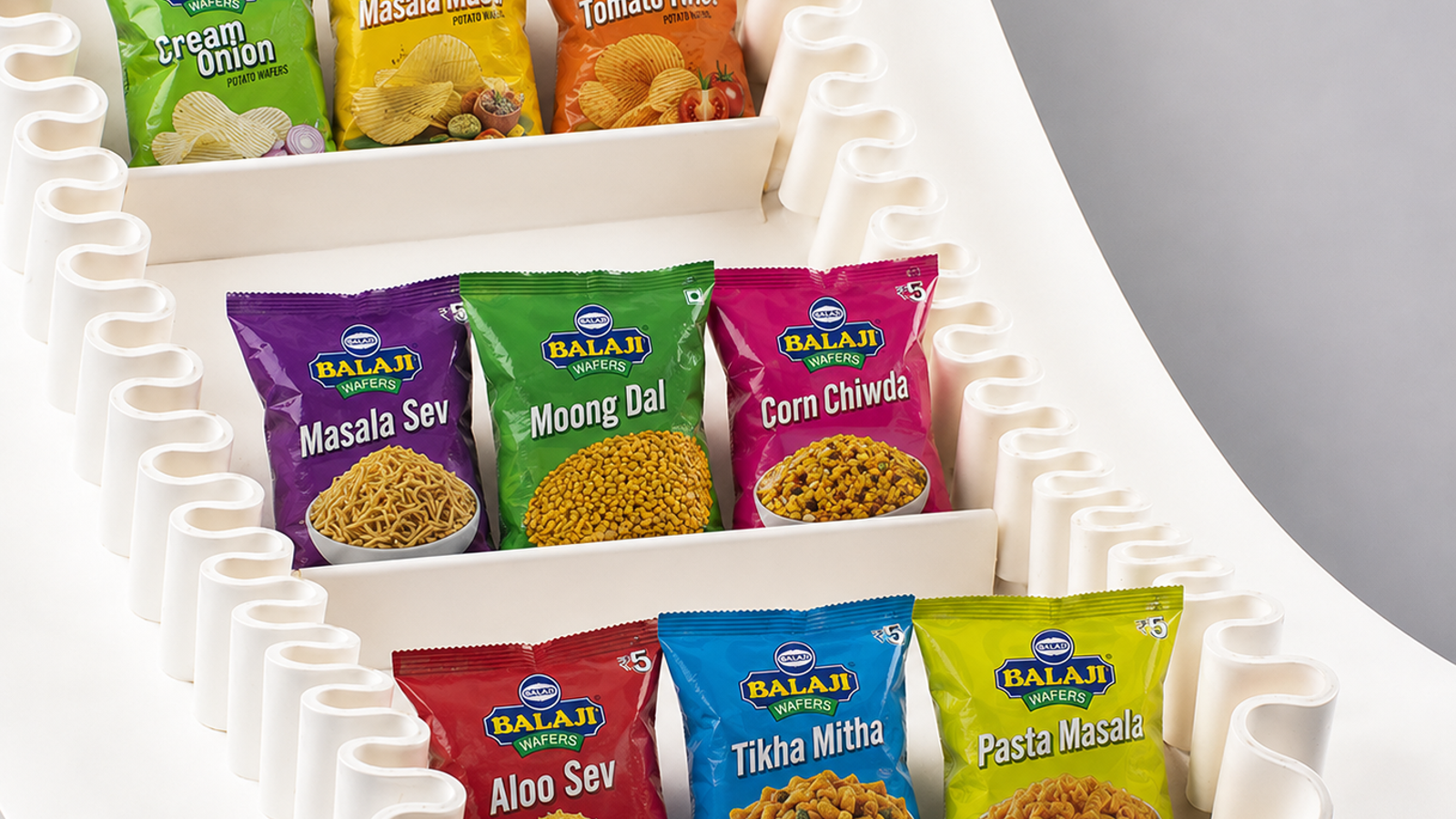
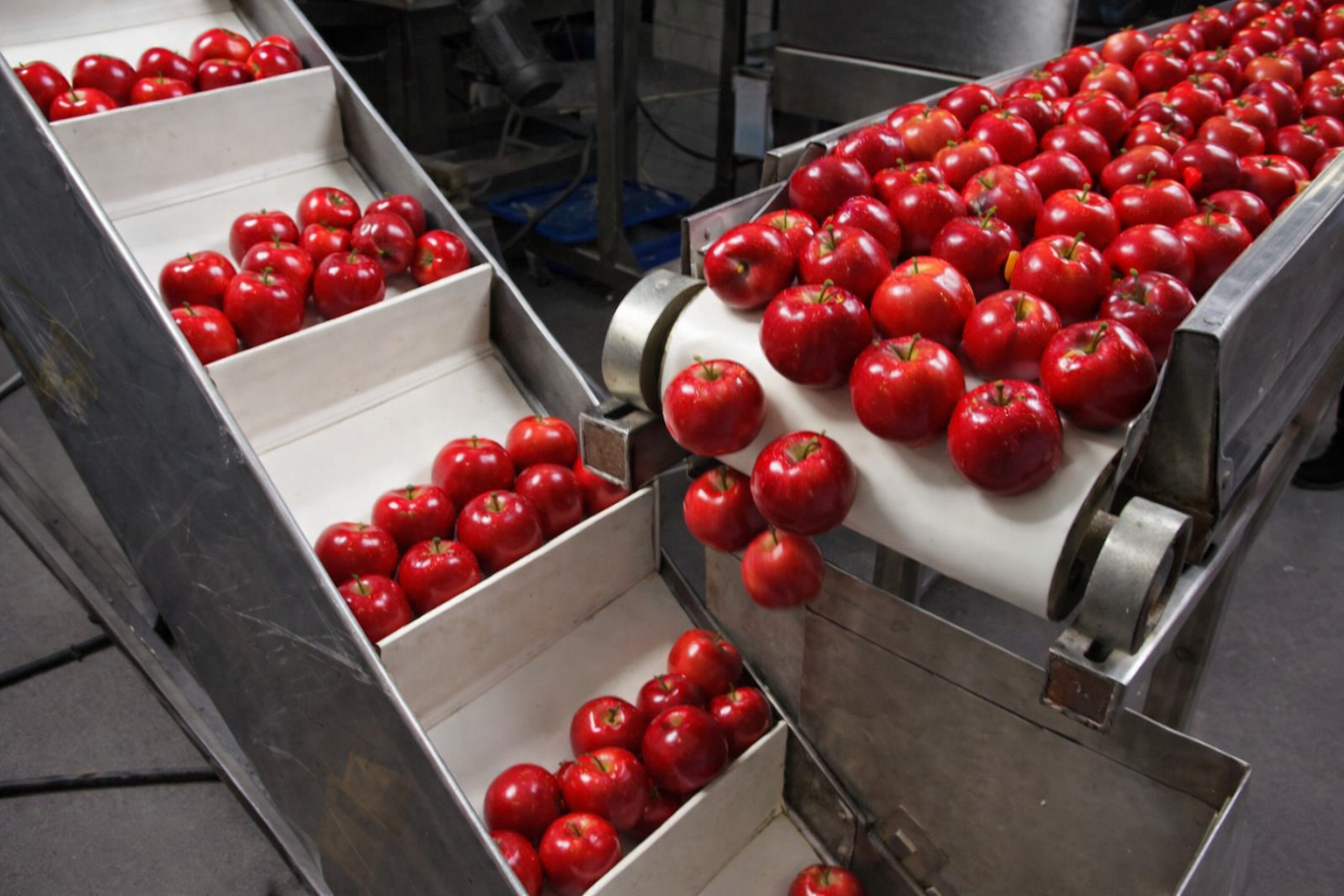
Sidewall Conveyor Belt: Conveyor belt with integrated sidewalls, designed to carry materials at an incline and prevent spillage. Ideal for bulk materials in industries like food processing, packaging, and material handling.
Cleat Conveyor Belt: Conveyor belt with cleats (raised sections), used to transport products up inclines or prevent items from slipping on horizontal conveyors. Common in food, pharmaceutical, and assembly line applications.
Sidewall with Cleat Conveyor Belt: Combines both sidewalls and cleats for inclined conveying, offering better containment and support for bulk materials. Often used in industries that need both vertical and lateral containment, such as packaging and food production.
Applications
Conveyor belts are widely used across various industries for efficient and reliable material handling. Some of the major applications include:
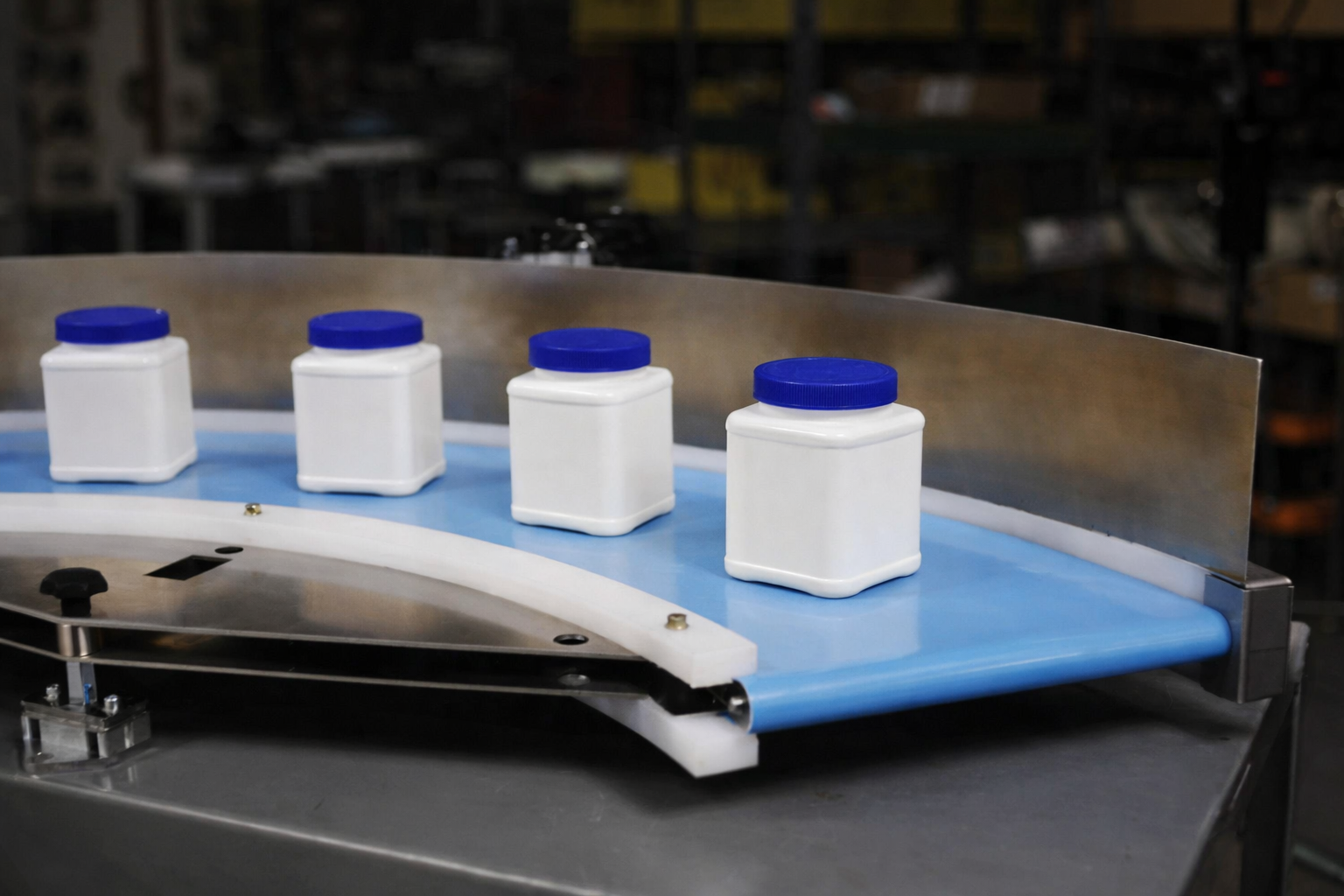
1. Packaging Industry: For smooth transportation of packaged products.
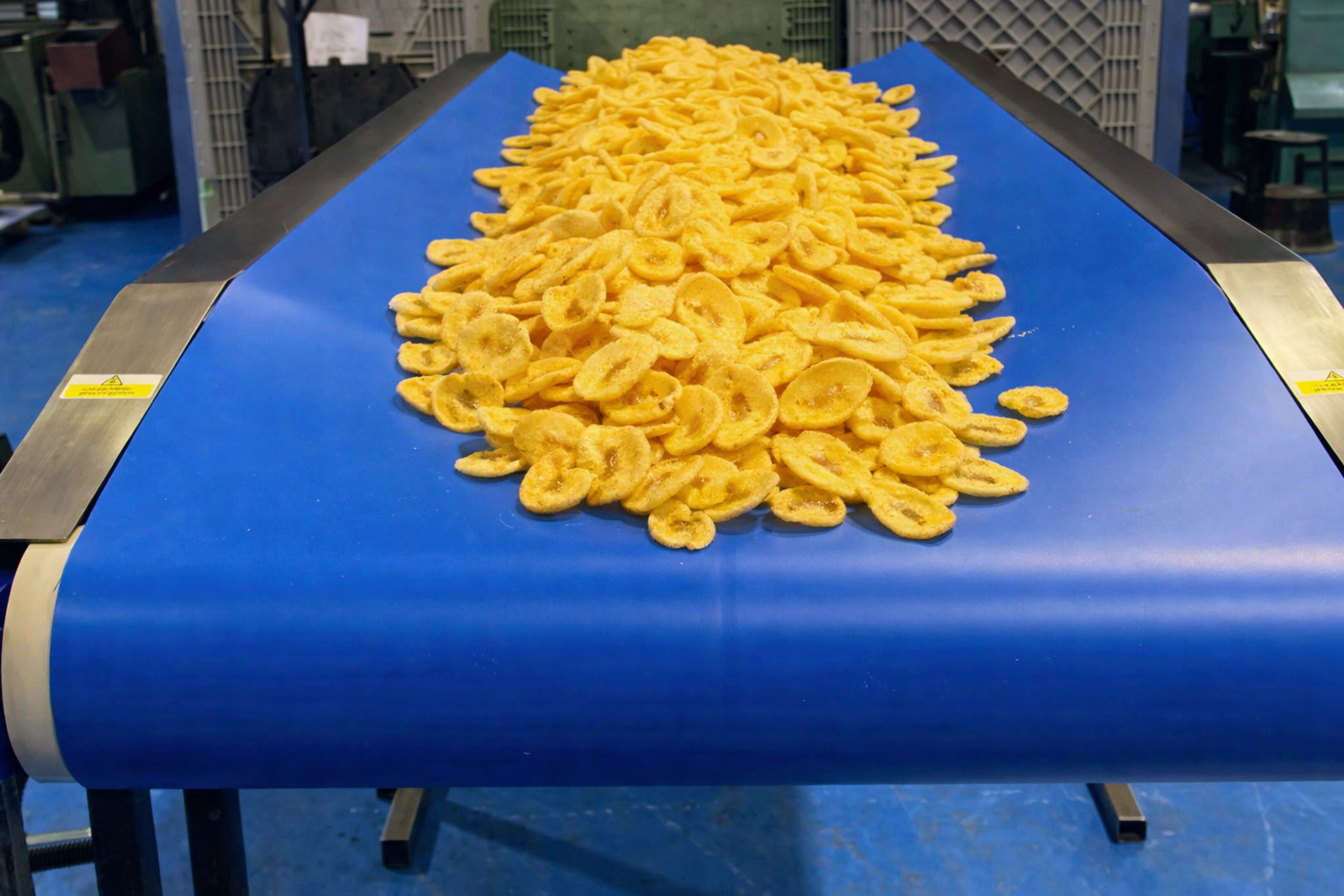
2. Food Processing Industry: Used for handling and conveying food products hygienically.
3. Pharmaceutical Industry: Ideal for transporting medicines and healthcare products.
4. Automotive Industry: Used in assembly lines and component handling.
5. Textile Industry: For moving fabrics, yarns, and finished products.
6. Printing Industry: Ensures continuous movement of printed materials.
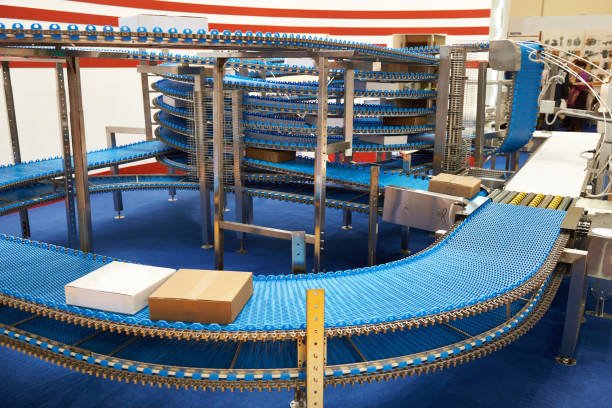
7. Logistics & Warehousing: Facilitates sorting, loading, and unloading operations.
8. Airport Baggage Handling Systems: Used for efficient luggage transportation.
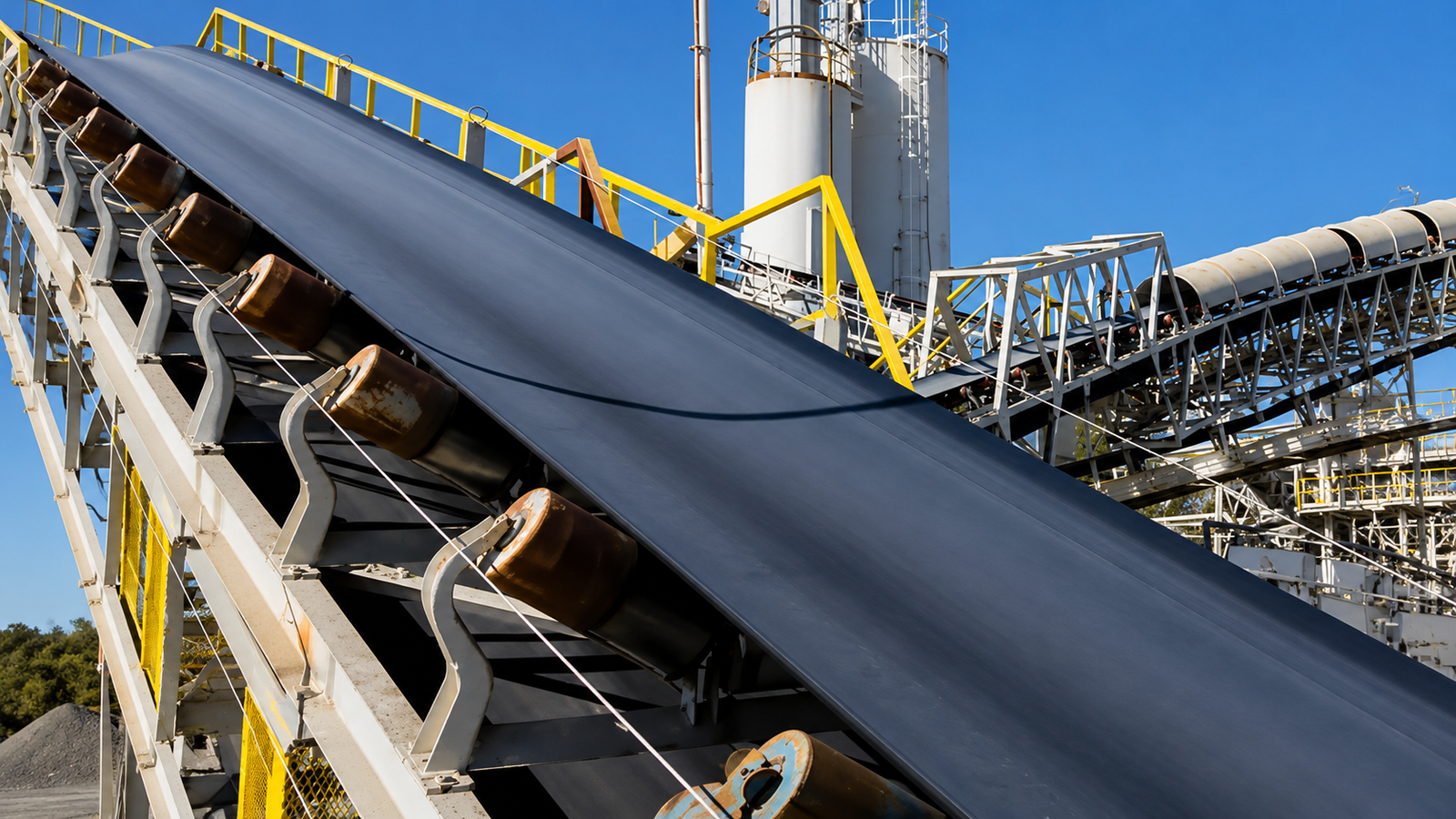
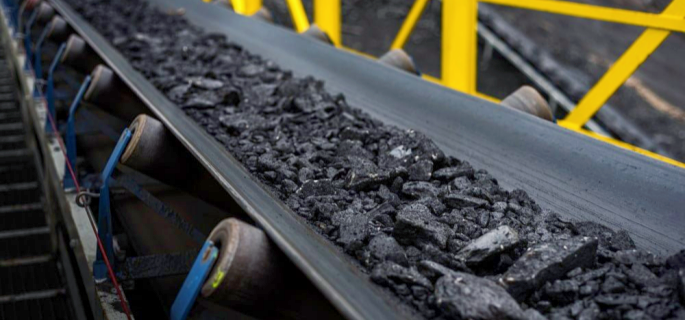
9. Mining & Cement Industry: Suitable for conveying bulk materials and heavy loads.
10. E-commerce & Distribution Centers: Supports fast and efficient product movement.
11. Agriculture Industry: Used for handling grains, seeds, and other agricultural products.
12. Recycling Industry: Helps in sorting and transporting recyclable materials.
13. Manufacturing Plants: Ensures smooth and continuous production processes.
14. Steel & Engineering Industries: Used for material transfer and heavy-duty applications.
Advantages
1. Efficient Material Handling: Ensures smooth and continuous movement of materials.
2. High Durability: Designed for long service life and reliable performance.
3. Low Maintenance: Requires minimal maintenance compared to traditional systems.
4. Reduced Operating Costs: Helps lower labor and maintenance expenses.
5. Energy Efficient: Consumes less power for cost-effective operation.
6. Smooth and Quiet Operation: Produces less noise and vibration.
7. Increased Productivity: Improves workflow and production efficiency.
8. Customizable Solutions: Available in various sizes and specifications.
9. Reduced Product Damage: Provides safe and gentle transportation of products.
10. Suitable for Multiple Industries: Ideal for packaging, food processing, automotive, logistics, pharmaceuticals, and more.
11. No Regular Lubrication Required: Unlike chain systems, conveyor belts generally require little or no lubrication.
12. Easy Installation and Replacement: Saves time and reduces downtime.
Frequently Asked Questions
1. What are the different types of Conveyor Belts?
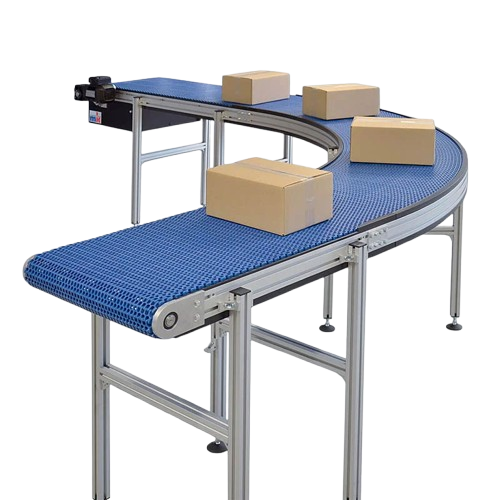
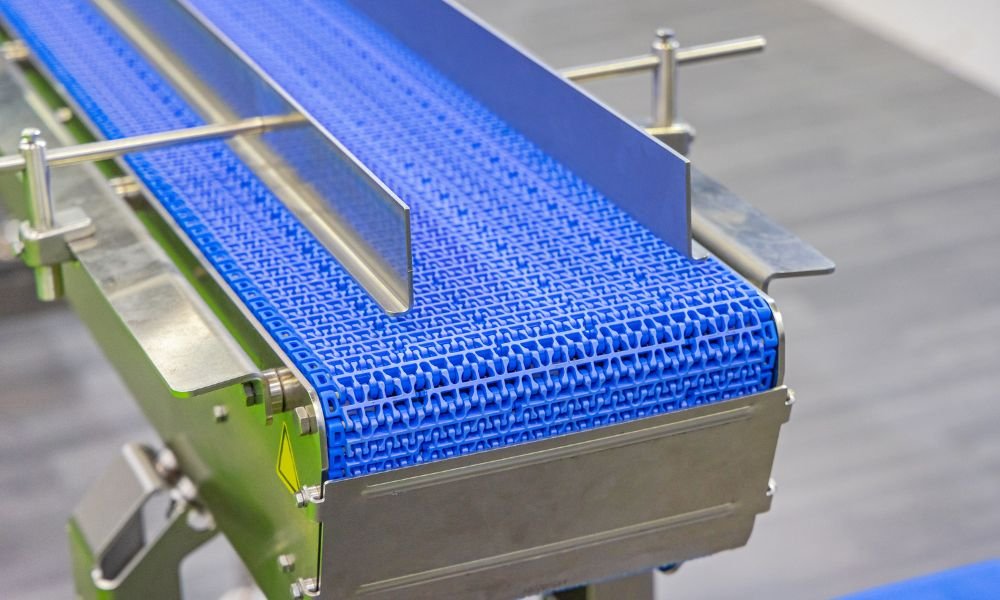
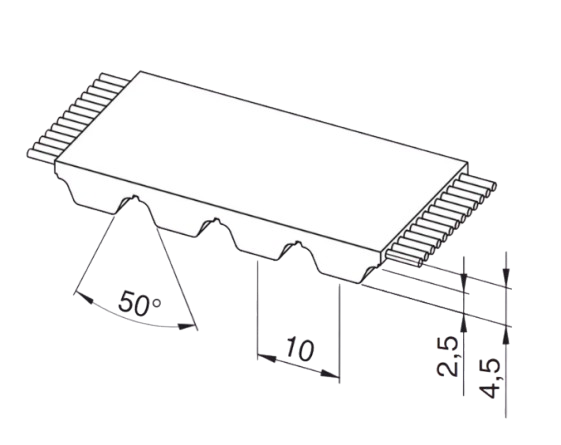
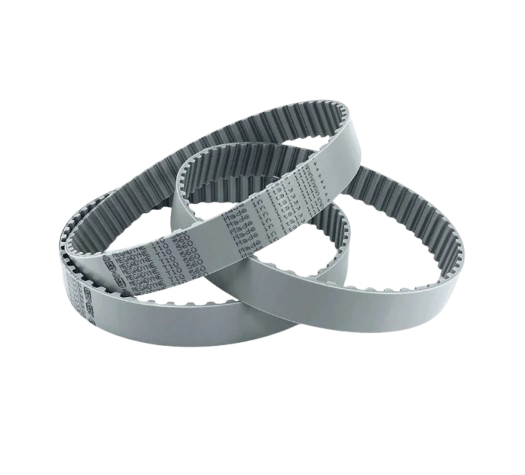
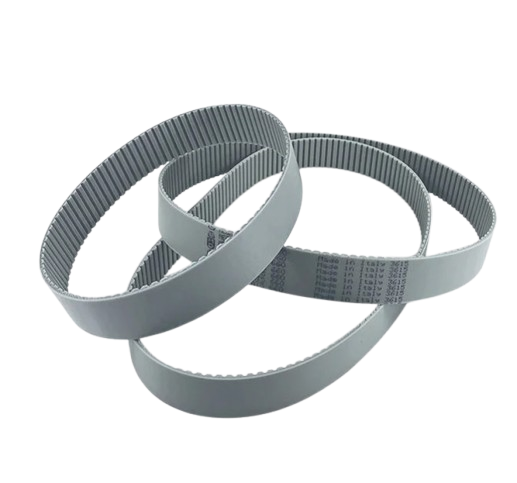
Common types of conveyor belts include PVC Conveyor Belts, Rubber Conveyor Belts, PU Conveyor Belts, Modular Belts, and Timing Belts, each designed for specific applications.
2. Can Conveyor Belts be customized?
Yes, conveyor belts can be customized in terms of width, length, thickness, material, and surface finish to meet specific industrial requirements.
3. How often should a Conveyor Belt be maintained?
Regular inspection and preventive maintenance are recommended to ensure optimal performance and extend the service life of the conveyor belt.
4. Why should I choose your Conveyor Belts?
Our conveyor belts are manufactured using high-quality materials and are designed to provide durability, reliable performance, and efficient material handling solutions for diverse industries.
5. How long does a Conveyor Belt last?
The lifespan of a conveyor belt depends on its usage, operating conditions, and maintenance. With proper care and regular maintenance, a high-quality conveyor belt can last anywhere from 3 to 10 years or even longer.
6. Why are Conveyor Belts preferred over Chain Drives?
Conveyor belts offer smoother operation, lower noise, reduced maintenance, higher efficiency, and lower operating costs compared to traditional chain-driven systems.
7. How can Conveyor Belts help reduce operating costs?
Conveyor belts help lower operating costs by reducing maintenance requirements, minimizing downtime, improving efficiency, and consuming less energy compared to conventional chain-driven systems.